Jointly Exploring New Opportunities in the Era of Digital Intelligence and Building New Bonds for Regional Cooperation
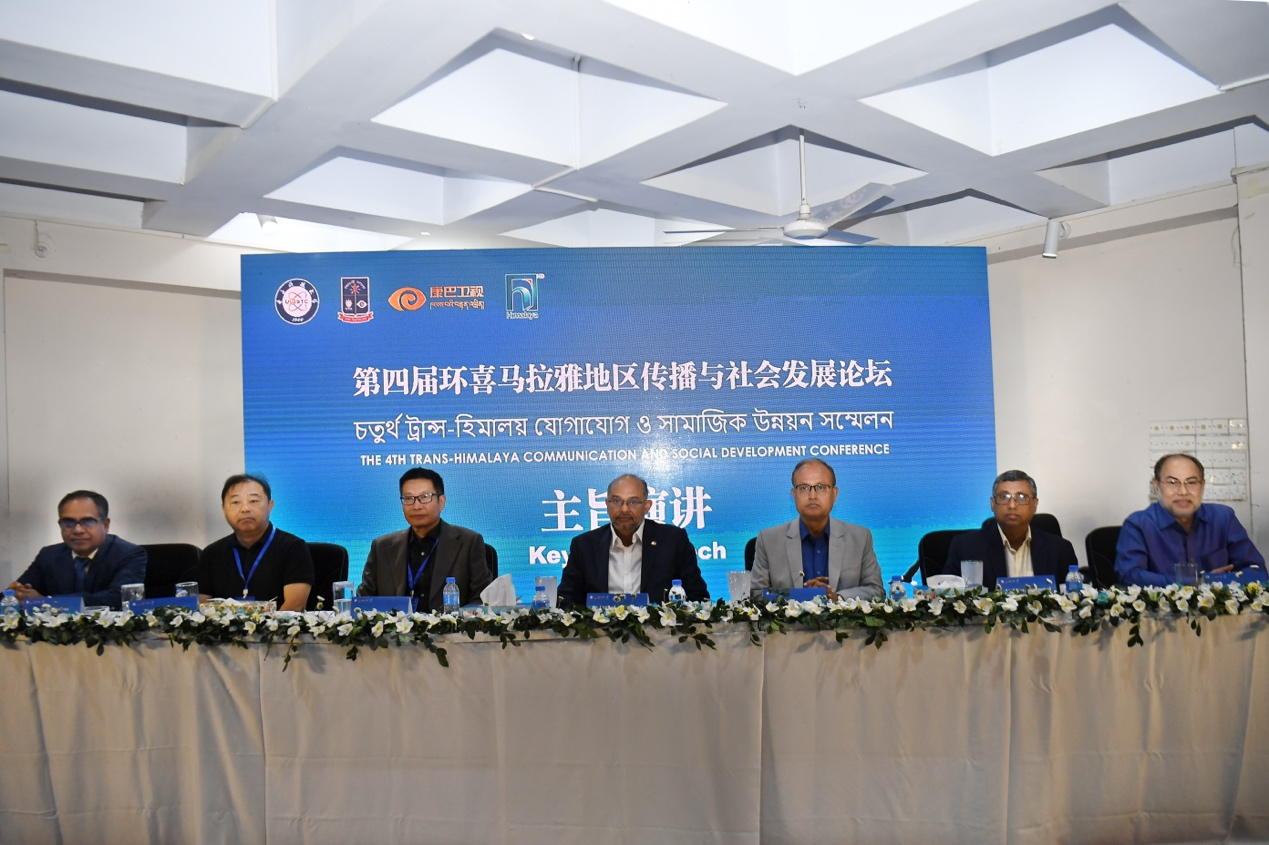
DHAKA, Nov. 8 — The 4th Trans-Himalaya Communication and Social Development Conference opened on Nov. 8 local time at the University of Dhaka in Bangladesh. The conference is jointly hosted by the University of Electronic Science and Technology of China, the University of Dhaka, Kangba TV and Himalaya Television. More than 100 experts, scholars, media professionals and young researchers from China, Bangladesh, Nepal, Bhutan, India, Sri Lanka, Pakistan, the United States, Canada and other countries gathered in Dhaka to engage in cross-country and interdisciplinary dialogue under the theme "International Communication and Regional Development Governance in the Trans-Himalaya Region in the Era of Digital Intelligence."
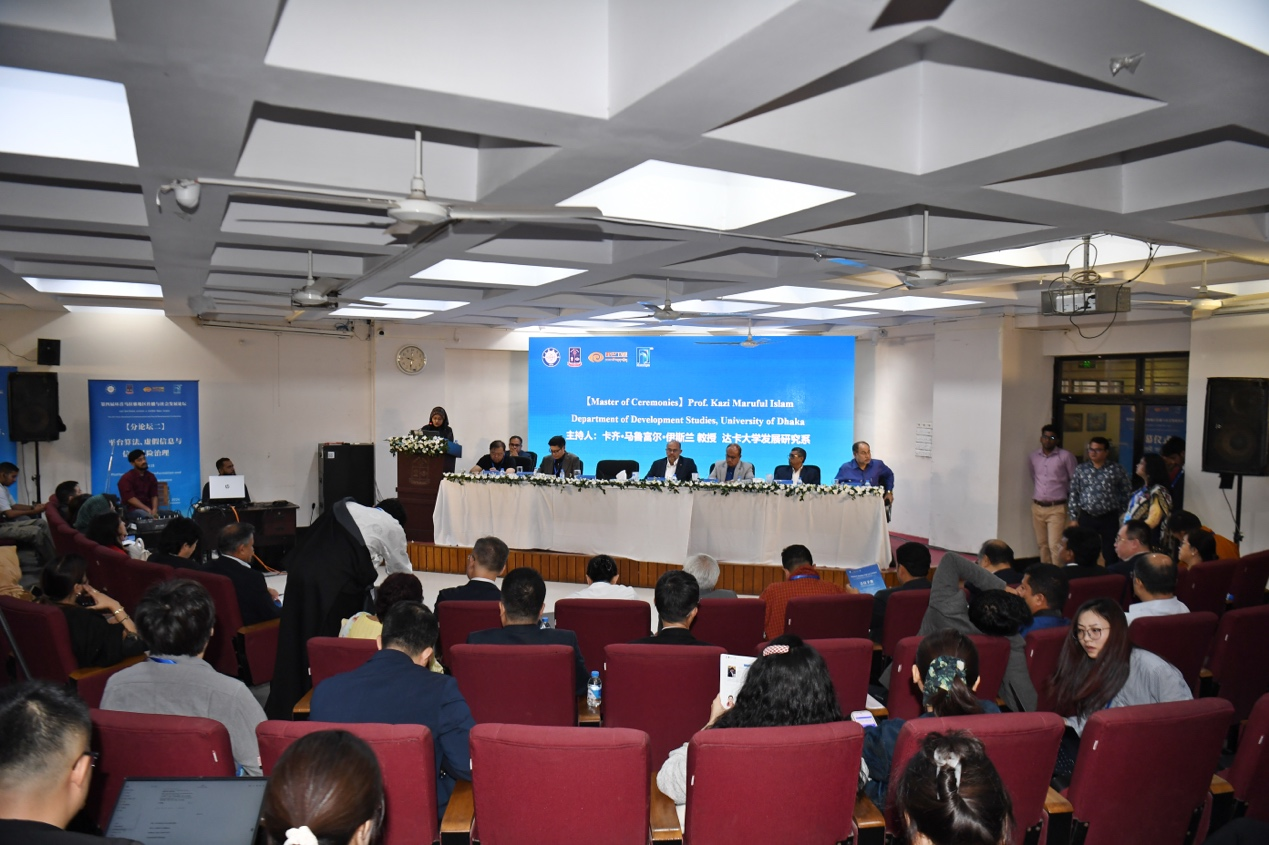
The Trans-Himalaya region is linked by mountains and rivers and connected by close cultural ties. The parties involved are interconnected in their development issues and share common development aspirations, while also jointly facing profound challenges brought by the digital-intelligence transformation: information flows at a much faster speed, making misunderstanding and bias more likely to spread across borders; climate risks know no borders and call for broader and deeper collaborative public governance; artificial intelligence and algorithms are reshaping the media ecosystem, while the proliferation of disinformation and the erosion of public trust have become common regional challenges. It is for this reason that the conference views the region as a "neighborhood" that shares an information environment and must build a shared future.
In their addresses at the opening ceremony, guests from various countries converged on two keywords: "communication" and "trust." Participants noted that in the era of digital intelligence, what is scarcest is not advanced technology, but verifiable information, empathetic narratives, and the ability of ordinary people's voices to be heard and respected. Regardless of their size, countries in the Trans-Himalaya region all expect a dialogue platform that does not preset positions, embraces differences and directly addresses common public issues.
The conference continues its cross-sector "academia + media" model: universities provide research and methodology, while media provide communication networks and real-world cases. During the keynote speeches, scholars discussed topics ranging from Gandhian humanistic thought and digital social transformation to the building of a regional digital community with a shared future; from institutionalized responses to cross-border climate risks to communication reconstruction and collaborative governance of disinformation in the AI era. The sub-forums focused on six specific areas: regional coordinated development, platform algorithms and information risks, youth and public expression, reconstruction of cross-border communication, media industry cooperation, and ethnic exchange and integration.
In addition to academic discussions, the conference specially organized a "Media Forum". Representatives of media institutions from China, Bangladesh, Nepal, Bhutan and other countries exchanged views on "Credibility, Trust and Media Responsibility in Building a Regional Community with a Shared Future." This arrangement is no accident: the years-long practice of program co-production between Kangba TV and Himalaya Television has been regarded by many guests as a vivid example of regional media collaboration — not shying away from differences or forcing a single narrative, but drawing people closer through real stories and joint creation. Such joint creation is an attempt by regional media to work together, stay rooted in local stories and jointly enrich diverse regional narratives. Regional media collaboration is steadily moving from scattered project-based cooperation toward institutionalized co-creation.
"We are not looking for a standard answer, but for a way to ask questions together," a participating scholar said during the discussion.
The conference also lays a practical foundation for a long-term and stable regional dialogue mechanism.
After being held in China and Nepal, the forum has come to Bangladesh, demonstrating that this cross-sector exchange platform has the vitality to keep operating in different social contexts and linguistic environments. Participants reached a consensus that in the future, relevant South Asian countries could take turns hosting the forum, bringing more local concerns onto the regional agenda, and transforming the forum from an occasional project-based gathering into a regular regional public good.
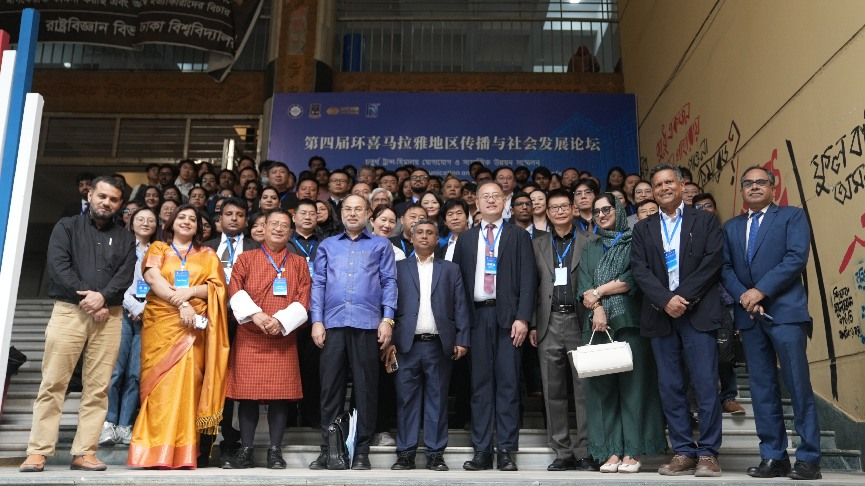
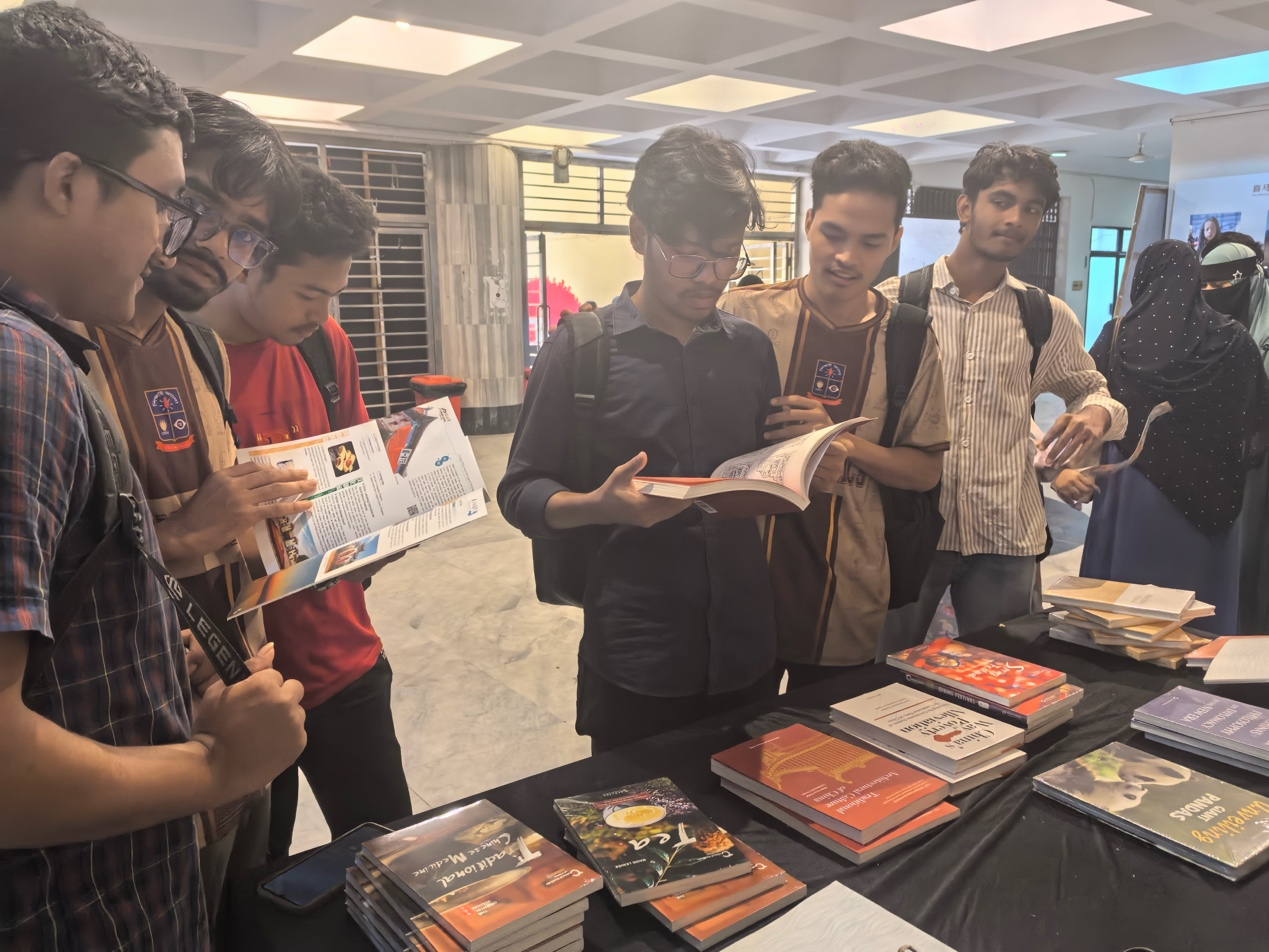
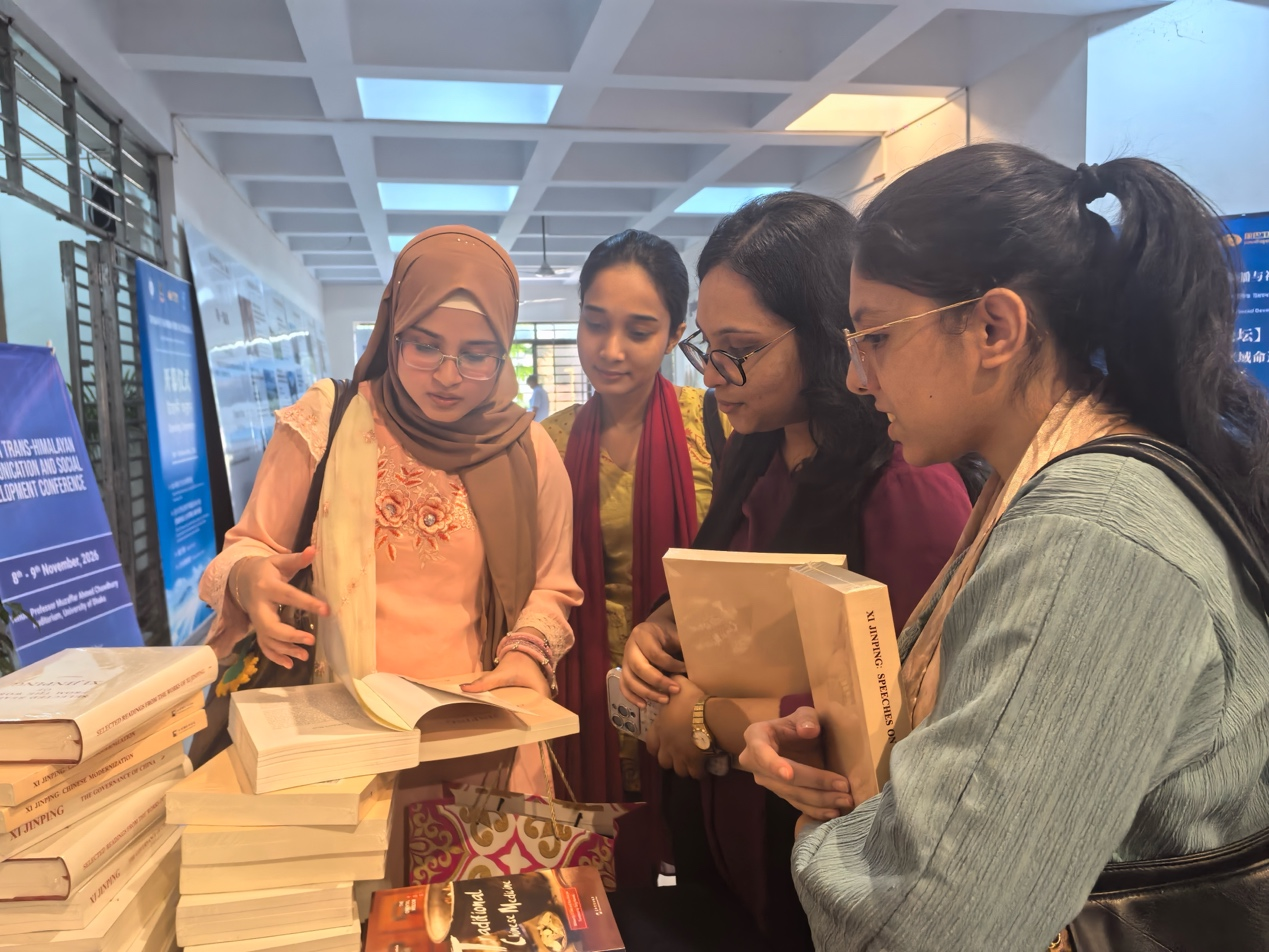
The conference will run until Nov. 11. During the event, a media industry study tour in Bangladesh, a "Himalayan Charms" photo and video exhibition and a "Humanistic China" themed book exhibition will also be organized. As the conference theme indicates: new opportunities lie nowhere else but in working together; new bonds are not a slogan, but verifiable, sustainable content channels that cross mountains and rivers, accumulating deep people-to-people strength for building a regional community with a shared future.